How to Promote Your Band on Social Media in 2026
Social media is no longer optional for bands. It is the primary way new fans discover music, the way venues and promoters vet you before booking, and the most cost-effective marketing channel available to independent musicians. Yet most bands treat social media as an afterthought—posting randomly, copying whatever the algorithm seems to reward this week, and wondering why their following never grows.
The bands that win on social media are not necessarily the most talented. They are the most consistent, the most strategic, and the most willing to show up as real people rather than polished marketing machines. In this guide, we will break down a practical, platform-by-platform approach to promoting your band online.
Start With a Strategy, Not a Platform
Before you post a single thing, you need to answer three questions: Who is your audience? What do you want them to do? And why should they care about your band specifically?
Your audience is not "everyone who likes music." It is a specific group of people who are likely to connect with your sound, your lyrics, and your story. If you play 90s-inspired alternative rock, your audience skews older and nostalgic. If you play hyperpop, your audience is younger and chronically online. Knowing your audience shapes everything from which platforms you prioritize to the tone of your captions.
What do you want them to do? Options include streaming your music, attending shows, buying merch, joining a mailing list, or simply following you. Each piece of content should have a clear purpose.
Why should they care? This is your hook. Maybe you are the only band in your city playing a particular fusion of genres. Maybe your lyrics tackle themes no one else is touching. Maybe your live show is genuinely spectacular. Find your angle and lean into it.
Choose Your Platforms Wisely
You do not need to be everywhere. You need to be where your audience is, and you need to be consistent there. Here is a breakdown of the platforms that matter most for bands in 2026.
Instagram remains essential for visual storytelling. Reels are the primary growth engine—short, engaging video clips get pushed to non-followers and are the fastest way to reach new audiences. Use your feed for polished content, Stories for behind-the-scenes glimpses, and Reels for discovery.
TikTok is the most powerful discovery platform for music. The algorithm does not care how many followers you have; it cares whether people watch your content to the end. Snippets of songs, behind-the-scenes studio footage, and personality-driven content all perform well. The key is posting frequently and experimenting with formats.
YouTube is your long-form home. Music videos, live performance footage, vlogs, and behind-the-scenes documentaries all find an audience here. YouTube content has a much longer shelf life than TikTok or Instagram posts—a well-optimized video can drive views for years.
Facebook matters less for organic reach but is still important for event promotion, community groups, and older demographics. Use it primarily for gig announcements and event pages.
Content Ideas That Actually Work
The biggest struggle bands face is not knowing what to post. Here are content categories that consistently perform well.
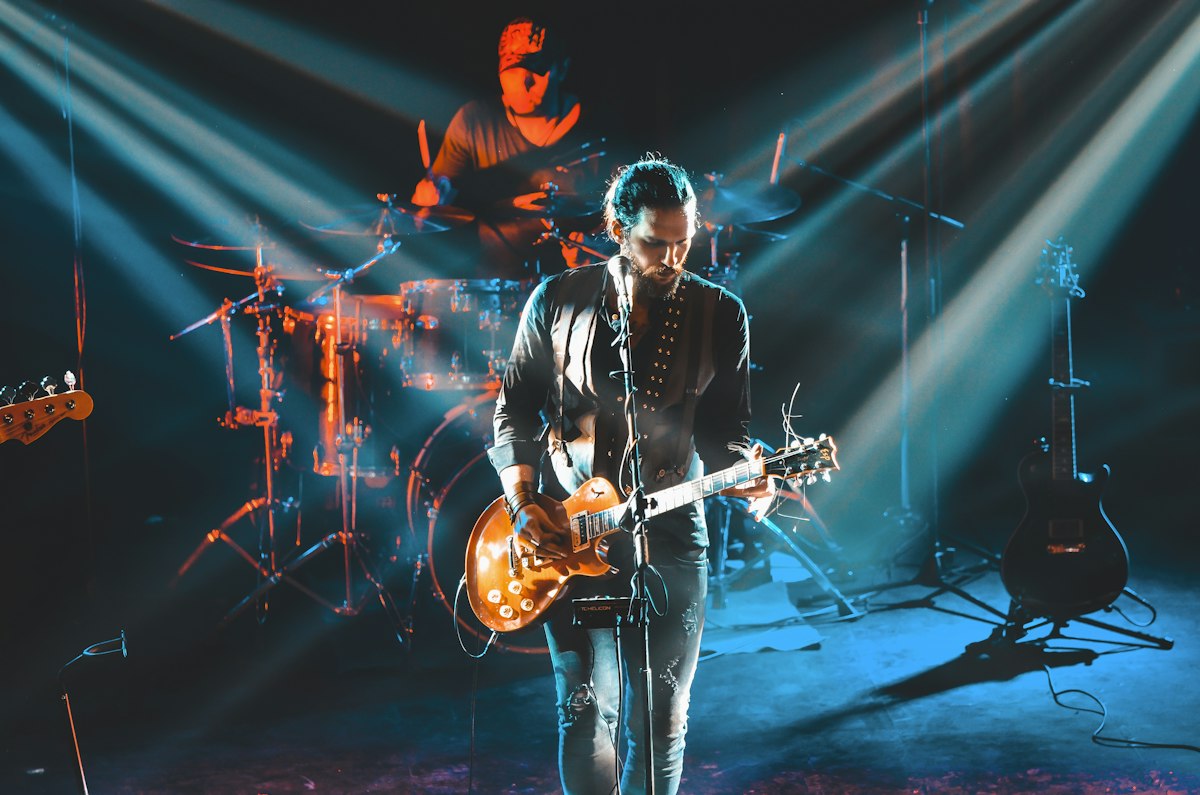
Performance clips: Even a 15-second clip of a tight groove or a soaring vocal moment can go viral. You do not need professional production—authenticity often outperforms polish.
Behind-the-scenes: Studio footage, rehearsal clips, and tour life content humanizes your band. Fans want to feel like they know you, not just your music.
Covers and reinterpretations: Covering popular songs in your style is one of the fastest ways to reach new listeners. People search for songs they already know, and your version introduces them to your original music.
Storytelling: Talk about the meaning behind your songs, the history of your band, or challenges you have overcome. People connect with stories far more than they connect with promotional posts.
User-generated content: Share photos and videos from fans at your shows. It builds community and encourages others to post about you.
Announcements: New releases, upcoming shows, and merch drops. Keep these to roughly 20 percent of your content—overselling alienates followers.
Build a Consistent Posting Rhythm
Consistency beats volume. Posting one Reel every day for a month will grow your audience more than posting ten in one day and then going silent. Pick a rhythm you can sustain—three to five posts per week is realistic for most bands—and stick with it.
Batch your content creation. Film multiple videos in one session, take a batch of photos at each rehearsal and gig, and write captions in advance. This prevents the weekly panic of figuring out what to post.
Use a content calendar. Plan your posts around releases, shows, and seasonal moments. A simple spreadsheet with post ideas, captions, and posting dates keeps you organized and accountable.
Engage With Your Audience
Social media is not a broadcast channel—it is a conversation. Bands that reply to comments, engage with other artists, and participate in their community grow faster than those that treat it as a one-way street.
Respond to every comment in the first hour after posting. The algorithm rewards early engagement, and it makes fans feel valued. Ask questions in your captions to spark conversation. Share and comment on other bands' posts to build relationships within your scene.
Run occasional interactive content: polls, Q&A sessions, and live streams. These create a sense of direct connection that polished feed posts cannot match.
Turn Followers into a Real Fanbase
Followers are not fans. A follower is someone who clicked a button. A fan is someone who streams your music, attends your shows, and buys your merch. The gap between the two is where most bands fail.
Bridge that gap by directing social media followers to deeper engagement. Link to your music in your bio. Promote your mailing list (email remains the highest-converting channel for music marketing). Announce shows with clear calls to action. Make it easy for interested followers to take the next step.
Track your analytics. Most platforms provide insights on reach, engagement, and audience demographics. Use this data to refine your strategy—if behind-the-scenes content consistently outperforms promotional posts, shift your mix accordingly.
Common Mistakes to Avoid
Posting only when you have something to sell. If every post is promoting a release or a show, people will tune out. Aim for a ratio of 80 percent value-driven content to 20 percent promotional.
Ignoring video. Static posts have severely limited reach on most platforms. If you are not creating video content, you are capping your growth.
Being too polished. Audiences in 2026 crave authenticity. Over-produced, corporate-feeling content underperforms compared to genuine, raw posts.
Inconsistent branding. Your visual identity, tone, and messaging should be coherent across platforms. This does not mean everything looks identical, but a follower should instantly recognize your content.
Tie It All Together
Social media success compounds over time. The band that posts consistently for a year will be in a dramatically better position than the band that posts sporadically. Treat it as a core part of your band's operation, not a chore to be outsourced or ignored.
And when your social media efforts start driving real engagement—more show attendance, more streams, more merch sales—tools like SetSync help you manage the operational side of your growing band: scheduling gigs, coordinating members, organizing setlists, and keeping everyone on the same page. Promotion gets people in the door; organization keeps the band running smoothly once they are there.