Best Tools and Apps for Band Management in 2026
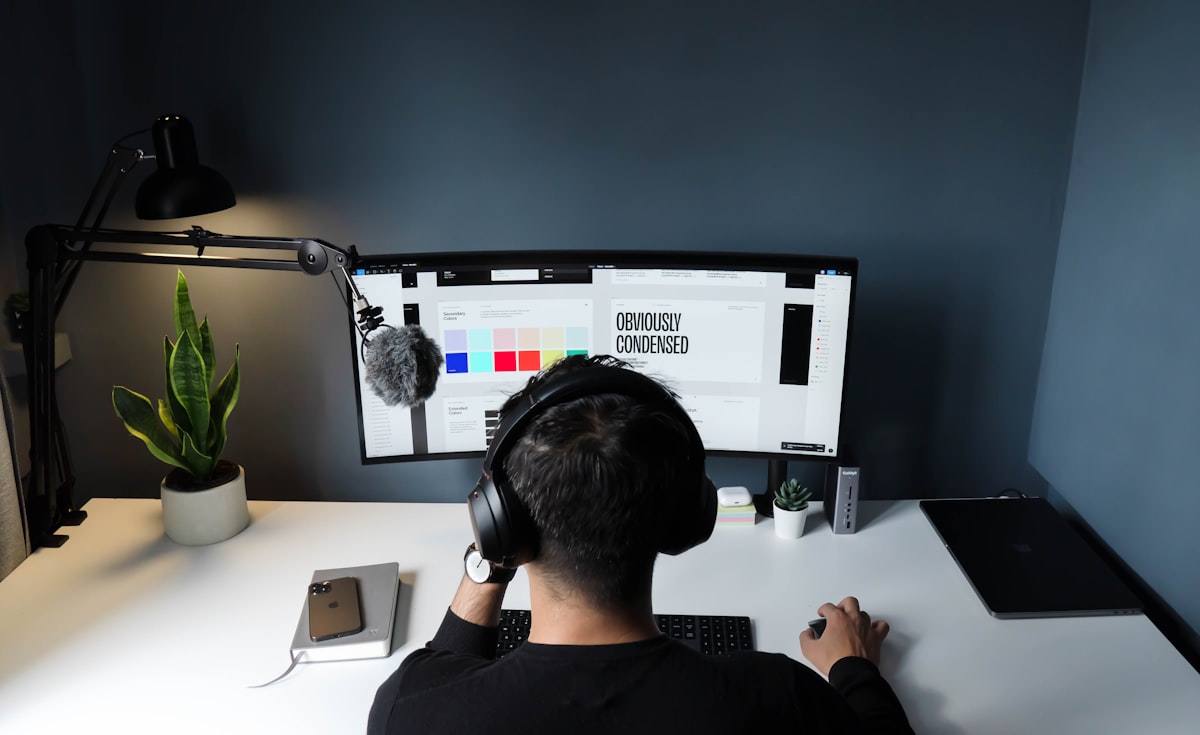
Being in a band today involves far more than just playing music. You are managing schedules, coordinating members, building setlists, tracking finances, promoting shows, and communicating across multiple channels. Trying to handle all of this with group texts, spreadsheets, and sticky notes is a recipe for chaos.
Fortunately, there are more tools available than ever to help bands stay organized and productive. In this guide, we will explore the landscape of band management tools, categorize them by function, and help you choose the right ones for your group.
Why Bands Need Management Tools
Let us start with the problem. A typical band deals with the following on a regular basis:
- Scheduling rehearsals around 4 to 6 people's busy lives
- Tracking who is available for which gigs
- Maintaining a library of songs with details like key, tempo, and readiness status
- Building and revising setlists for different venues and set lengths
- Communicating about rehearsals, gigs, setlist changes, and logistics
- Tracking gig income, expenses, and member payments
- Coordinating with venues, bookers, and substitute musicians
- Promoting shows on social media
- Sharing charts, lyrics, and reference recordings
When you are managing all of this manually, things fall through the cracks. Rehearsals get scheduled without checking availability. Setlists are built in one person's head and never shared. Gig payments are tracked on napkins. Members show up unprepared because they did not get the memo about what songs to practice.
The right tools do not just save time. They prevent the mistakes and miscommunications that strain band relationships and hold back your progress.
Categories of Band Management Tools
Band management tools generally fall into several categories. Let us look at each one.
Scheduling and Calendar Tools
These tools help you manage rehearsals, gigs, and availability. Features to look for include shared calendars, availability polling, automated reminders, and integration with personal calendars like Google Calendar.
A good scheduling tool eliminates the back-and-forth of trying to find dates that work for everyone. Instead of sending a group text asking when people are free, members simply mark their availability in the system, and the bandleader can see at a glance which dates work.
Automated reminders are another critical feature. People forget things, and a reminder sent 24 hours before a rehearsal or gig dramatically reduces no-shows and last-minute surprises.
Setlist Building Tools
Setlist builders let you create, edit, and share setlists from your song library. Look for features like drag-and-drop song ordering, estimated set duration based on song lengths, setlist templates for different set lengths, and the ability to attach setlists to specific events.
A good setlist tool integrates with your song library so you can see which songs are ready, what key they are in, and who sings lead. This context helps you build smarter setlists that account for vocal rest, instrument changes, and energy flow.
Song Library and Readiness Tools
These tools help you maintain a catalog of your band's songs with metadata like key, tempo, duration, time signature, genre, lead vocalist, and readiness status. Some also let you attach charts, lyrics, audio reference tracks, and performance notes.
Readiness tracking is a particularly valuable feature. By tracking each song's readiness status and each member's individual readiness, you can make informed decisions about what belongs in your setlist and what needs more rehearsal time.
Communication Tools
Every band needs a reliable way to communicate. While group texts are the default for most bands, they are poorly suited for important information that needs to be referenced later. Dedicated communication tools offer features like threaded discussions, file sharing, searchability, and integration with your other band management tools.
Financial Management Tools
These tools help you track gig income, log expenses, calculate member payments, and maintain financial transparency. Features to look for include expense categorization, payment tracking, per-member payment preferences (Venmo, CashApp, etc.), and financial reporting.
Financial transparency is critical for band harmony. When every member can see exactly how much each gig earned, what expenses were incurred, and how the net was split, there is no room for suspicion or misunderstanding.
Gig and Event Management Tools
These tools help you manage the details of each gig: venue information, load-in and soundcheck times, setlists, dress codes, parking notes, contact persons, and more. Having all of this information in one place, accessible to all members, ensures that everyone knows where to be, when to be there, and what to expect.
Promotion and Marketing Tools
While not strictly band management tools, promotion tools are essential for getting people to your shows. This category includes social media scheduling tools, email marketing platforms, and event listing services.
How to Choose the Right Tools
With so many options available, how do you choose the right tools for your band? Here are some principles to guide your decision.
Start with Your Biggest Pain Point
Do not try to adopt every tool at once. Identify the single biggest organizational challenge your band faces, and start there. If scheduling is your nightmare, start with a scheduling tool. If setlist chaos is your problem, start there. Solve one problem at a time.
Prioritize Integration
The biggest problem with using multiple separate tools is that they do not talk to each other. Your scheduling tool does not know about your setlist tool, which does not know about your song library, which does not know about your financial tracker. This leads to duplicate data entry and disconnected information.
Look for tools that integrate with each other, or better yet, choose an all-in-one platform that handles multiple functions in a unified system. The fewer tools your band has to juggle, the more likely members are to actually use them.
Consider Ease of Adoption
The best tool in the world is useless if your band members will not use it. Choose tools that are intuitive and require minimal training. If a tool is too complex, members will revert to their old habits of group texts and spreadsheets.
Mobile accessibility is also important. Musicians are often on the go, and they need to be able to access band information from their phones.
Think About Cost
Some tools are free, some have free tiers with paid upgrades, and some require a subscription. Consider the cost relative to the value the tool provides. A tool that saves your band five hours per week and prevents missed gigs is worth paying for, even if it costs a few dollars per month per member.
Evaluate Customer Support
When something goes wrong, you want to know that help is available. Look for tools with responsive customer support, good documentation, and active user communities.
The All-in-One Approach
While individual tools can solve specific problems, the most efficient approach for most bands is an all-in-one platform that handles scheduling, setlists, song libraries, communication, and finances in a single integrated system.
This is exactly what SetSync was built to be. Rather than juggling a calendar app, a setlist builder, a spreadsheet for finances, a group text for communication, and a shared drive for files, SetSync brings all of these functions together in one platform designed specifically for bands.
With SetSync, your song library feeds directly into your setlist builder, which feeds into your event management, which connects to your financial tracking, which ties into your communication and reminders. Everything is connected, everything is shared, and everything is accessible from any device.
Integration and Workflow
Once you have chosen your tools, the key to success is building them into your band's workflow. Here are some tips for making tools stick.
Make it the single source of truth: Once you adopt a tool, commit to using it as the authoritative source for that function. If a rehearsal is not on the shared calendar, it does not exist. If a song is not in the library, it is not being tracked. This prevents the drift back to old habits.
Train all members: Make sure every member knows how to use the tools. A quick walkthrough at rehearsal can save weeks of confusion. Do not assume that everyone will figure it out on their own.
Assign a champion: Designate one person as the tool champion, responsible for maintaining the data, helping other members with questions, and ensuring adoption. This is often the bandleader or the most organized member.
Review and adjust: After using a tool for a month, assess whether it is working. Is it saving time? Are members actually using it? If not, figure out why and make adjustments. Tools should serve your band, not the other way around.
Common Mistakes to Avoid
Using too many tools: Adopting too many tools creates fragmentation and fatigue. Keep it simple.
Not committing fully: If some members use the tool and others do not, you end up maintaining two systems. Get full buy-in from all members.
Choosing tools not designed for bands: Generic project management tools can work, but they are not designed with the specific needs of musicians in mind. Tools built for bands understand things like setlists, song readiness, and gig logistics.
Ignoring mobile: If a tool does not work well on mobile, your members will not use it. Musicians are rarely at desks.
Conclusion
The right tools can transform a disorganized, struggling band into a tight, professional operation. By understanding your needs, choosing tools that integrate well, prioritizing ease of adoption, and committing to using them consistently, you can eliminate the organizational chaos that holds so many bands back.
If you are tired of juggling multiple apps and want a unified platform built specifically for bands, give SetSync a try. With integrated scheduling, song libraries, setlist building, availability tracking, financial management, and automated communication, it is the all-in-one solution your band has been waiting for.