Booking Gigs: A Complete Guide for Bands
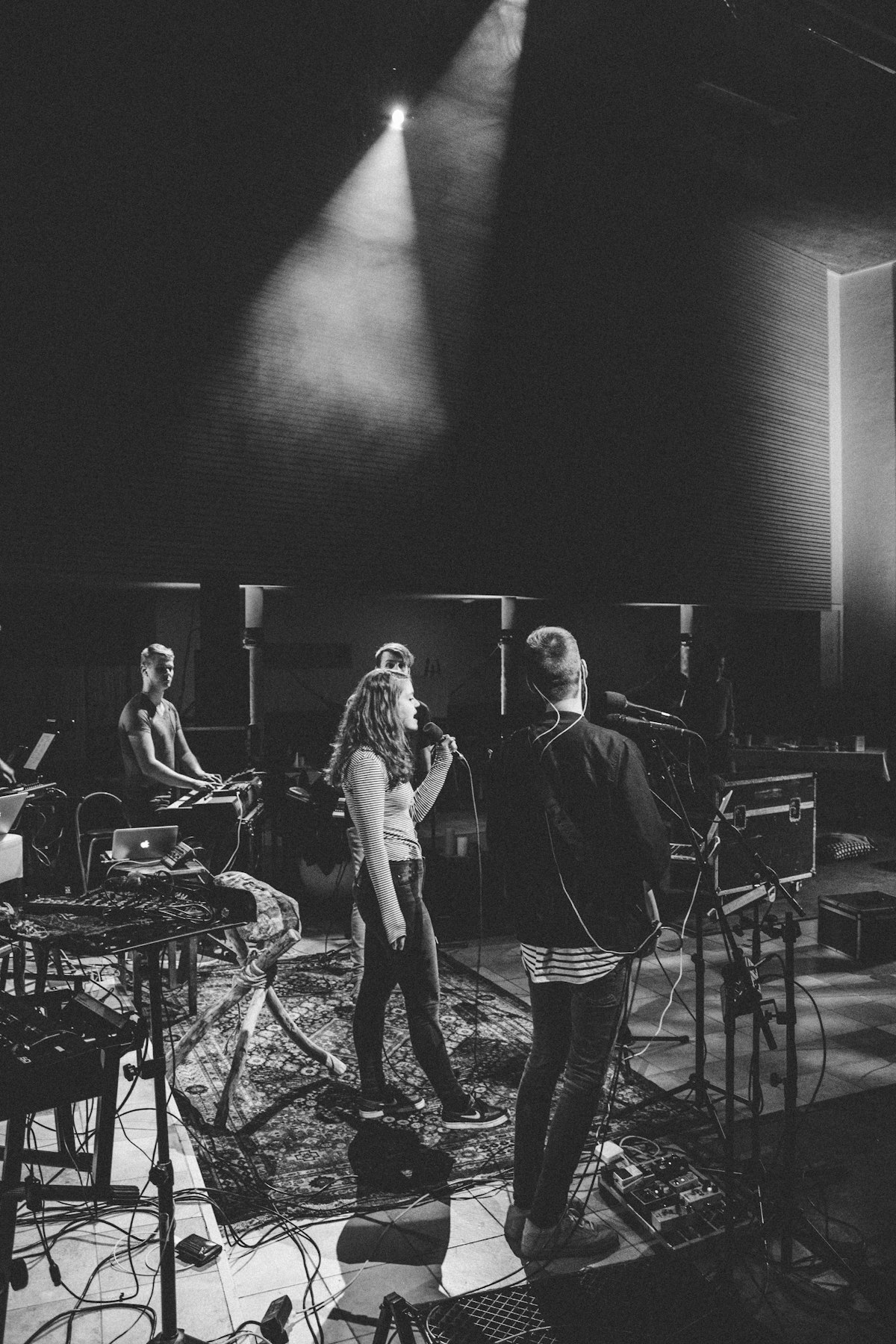
Booking gigs is the lifeblood of any working band. Whether you are trying to land your first show at a local bar or looking to fill a touring schedule, the ability to book gigs effectively is one of the most valuable skills your band can develop. Yet many talented bands struggle with this exact challenge, not because their music is not good enough, but because they do not understand the booking process.
In this comprehensive guide, we will walk through every step of the gig booking process, from preparing your materials to building long-term relationships with venues.
Preparing Your Booking Materials
Before you reach out to a single venue, you need to have your materials in order. Venues and bookers receive dozens of inquiries per week, and the ones that get taken seriously are the ones that are professional and complete.
Your Electronic Press Kit (EPK): This is your band's resume. It should include your band name and logo, a brief bio, genre description, high-quality photos, links to your best recordings, video of a live performance if available, a list of notable past performances, your social media and streaming links, and contact information. Keep it concise but comprehensive. A one-page PDF or a clean landing page is ideal.
Your music: Have your best 3 to 5 songs readily accessible. These should be your strongest, most representative tracks, properly mixed and mastered. If the venue asks for recordings, you should be able to send a link within minutes, not days.
Your live video: Venues want to know not just how you sound but how you perform. A well-shot video of a live performance is incredibly powerful. If you do not have professional footage, even a decent phone recording of a full song can work. Make sure the audio is listenable.
Your social proof: Venues want to know that booking you will bring people through the door. Show them your social media following, streaming numbers, and any press coverage you have received. If you have drawn crowds at previous venues, mention that.
Finding the Right Venues
Not all venues are right for all bands, and not all gigs are worth playing. Being strategic about which venues you target will save you time and increase your success rate.
Start local: If you are just starting out, focus on venues in your immediate area. Local venues are more likely to take a chance on an unknown band, and you can leverage your local network to bring a crowd.
Research the venue: Before reaching out, find out what kind of music the venue typically books. There is no point pitching your jazz trio to a venue that only books metal bands. Look at their calendar, social media, and website to understand their programming.
Start with the right size: If you can reliably bring 30 people, target venues that hold 50 to 100. If you target a 300-capacity room and bring 30 people, the venue will not invite you back. Build up gradually.
Look beyond bars and clubs: Restaurants, coffee shops, breweries, wineries, private events, festivals, corporate functions, and house concerts all need live music. These alternative venues can be less competitive and sometimes pay better than traditional music venues.
Use booking platforms: In addition to direct outreach, consider listing your band on platforms that connect musicians with venues. These can be a supplementary channel, though they should not replace direct outreach.
Crafting the Perfect Pitch
Your pitch email is your first impression. Make it count. Here is what a great booking pitch looks like.
Subject line: Keep it clear and professional. Something like "Booking Inquiry: [Band Name] - [Genre] - [Date Range]" works well. Avoid vague or gimmicky subject lines.
Personalize it: Address the booker by name if possible. Reference a recent show they hosted or a band they booked that you are similar to. Show that you have done your homework.
Keep it short: Bookers are busy. Get to the point quickly. State who you are, what kind of music you play, why you are a good fit for their venue, and what dates you are available. The entire email should be readable in under 30 seconds.
Include your materials: Link to your EPK, music, and video. Do not attach large files to the email. Use links that are clean and professional.
Be specific about what you want: Are you looking for a headlining slot? An opening spot? A specific date? Say so. Vague inquiries like "we would love to play your venue sometime" are easy to ignore.
Here is a template to get you started:
Subject: Booking Inquiry: The Midnight Sound - Indie Rock - Available Fridays in October
Hi [Name],
I hope this finds you well. I am reaching out on behalf of The Midnight Sound, an indie rock band based in [City]. We have been following your calendar and love the shows you have been booking, particularly [recent band you are similar to].
We play original indie rock with a high-energy live show. We recently [notable achievement: released an EP, opened for X, drew 80 people to Y venue]. You can hear our music and see live video here: [link to EPK].
We are looking for a Friday night slot in October. We can confidently bring 40 to 50 people on a weekend night.
Would you be open to discussing a booking? I am happy to provide any additional information you need.
Thanks for your time, [Name] [Phone] [EPK Link]
Following Up Effectively
One of the biggest mistakes bands make is sending one email and then giving up. Bookers are busy, and emails get lost. A polite follow-up can make all the difference.
When to follow up: Wait 5 to 7 business days after your initial email before following up. This gives the booker time to review it without being nagged.
How to follow up: Reply to your original email so the context is preserved. Keep it brief: just wanted to bump this up in your inbox, still available and excited about the possibility, happy to answer any questions.
How many times: Two follow-ups is reasonable. After three emails with no response, move on. At that point, the answer is either no or not now.
Try a different channel: If email is not working, try reaching out through social media. Some bookers are more responsive on Instagram or Facebook than email. But do not be pushy. One polite message is enough.
Negotiating Pay
Money conversations can be uncomfortable, but they are a necessary part of booking. Understanding common payment structures will help you negotiate effectively.
The door split: This is the most common arrangement for original music. The venue takes a percentage of the door (often 50 percent or a flat fee first, then a split) and the band gets the rest. Make sure you understand exactly how the split works before agreeing.
The guarantee: Some venues offer a flat fee regardless of turnout. This is more common for cover bands and established acts. If you are offered a guarantee, make sure it is enough to cover your costs and pay your members fairly.
The pass the hat: Some smaller venues do not pay at all and instead ask the band to pass a hat or tip jar. This is fine for informal settings but should not be accepted as a long-term arrangement.
Know your worth: Do not accept gigs that pay so little that members lose money after accounting for gas, parking, and time. Playing for exposure is a myth. Exposure does not pay the rent.
Be professional about money: Discuss payment terms before the gig, not after. Get the agreement in writing, even if it is just an email confirmation. Arrive on time, play your full set, and be professional. Venues remember bands that are easy to work with.
Contracts and Agreements
For any gig that involves significant money or travel, a contract is essential. Even for smaller gigs, a written agreement protects both you and the venue.
What to include: Date and time of the performance (including load-in and soundcheck times), payment terms (guarantee, split, or other arrangement), set length and number of sets, what equipment the venue provides and what you need to bring, cancellation policy, and any special requirements.
Keep it simple: A contract does not need to be a complex legal document. A simple one-page agreement that covers the key terms is sufficient for most local and regional gigs.
Get it signed: Send the contract well in advance of the gig and get it signed before you commit. Verbal agreements are easily forgotten or disputed.
Promoting Your Shows
Booking the gig is only half the battle. If you want to be invited back, you need to bring people. Venues care about one thing above all else: did your band bring customers?
Create a promotion plan: As soon as the gig is booked, start promoting. Create a Facebook event, post on Instagram, send an email to your mailing list, and ask your band members to share on their personal social media.
Start early and be consistent: Do not just post once and forget about it. Build anticipation over the weeks leading up to the show. Share behind-the-scenes content, rehearsal clips, and reminders.
Leverage your network: Ask friends, family, and fans to spread the word. Personal invitations are more effective than generic posts.
Coordinate with the venue: Ask the venue to include you in their promotional materials. Provide them with high-quality photos and a brief description they can use.
Track your draw: After the gig, honestly assess how many people you brought. This information is valuable for two reasons: it helps you set realistic expectations for future bookings, and it gives you concrete numbers to cite when pitching to new venues.
Building Venue Relationships
The most successful bands do not just book one-off gigs. They build ongoing relationships with venues that lead to repeat bookings and referrals.
Be professional: Show up on time, be prepared, treat the staff with respect, and play a great set. The simplest way to get invited back is to be the easiest band the venue has ever worked with.
Follow up after the gig: Send a thank-you message after the show. Include a brief summary of how many people you brought and express interest in future bookings.
Refer other bands: If you know a band that would be a good fit for a venue, make the introduction. Bookers appreciate bands that help them find talent, and they will remember the favor.
Be patient: Building a relationship takes time. Do not expect to go from first gig to regular booking in one step. Play well, bring people, and be professional, and the repeat invitations will come.
Conclusion
Booking gigs is a skill that improves with practice. By preparing professional materials, targeting the right venues, crafting compelling pitches, following up diligently, negotiating fairly, and building lasting relationships, you can build a steady stream of gigs that grows your audience and advances your career.
And when it comes to managing those gigs once they are booked, SetSync has you covered. Track gig details, manage setlists, coordinate availability, send reminders to your band, and share gig info with venues, all from one platform. Because booking the gig is just the beginning. The real work starts once you have got it.